
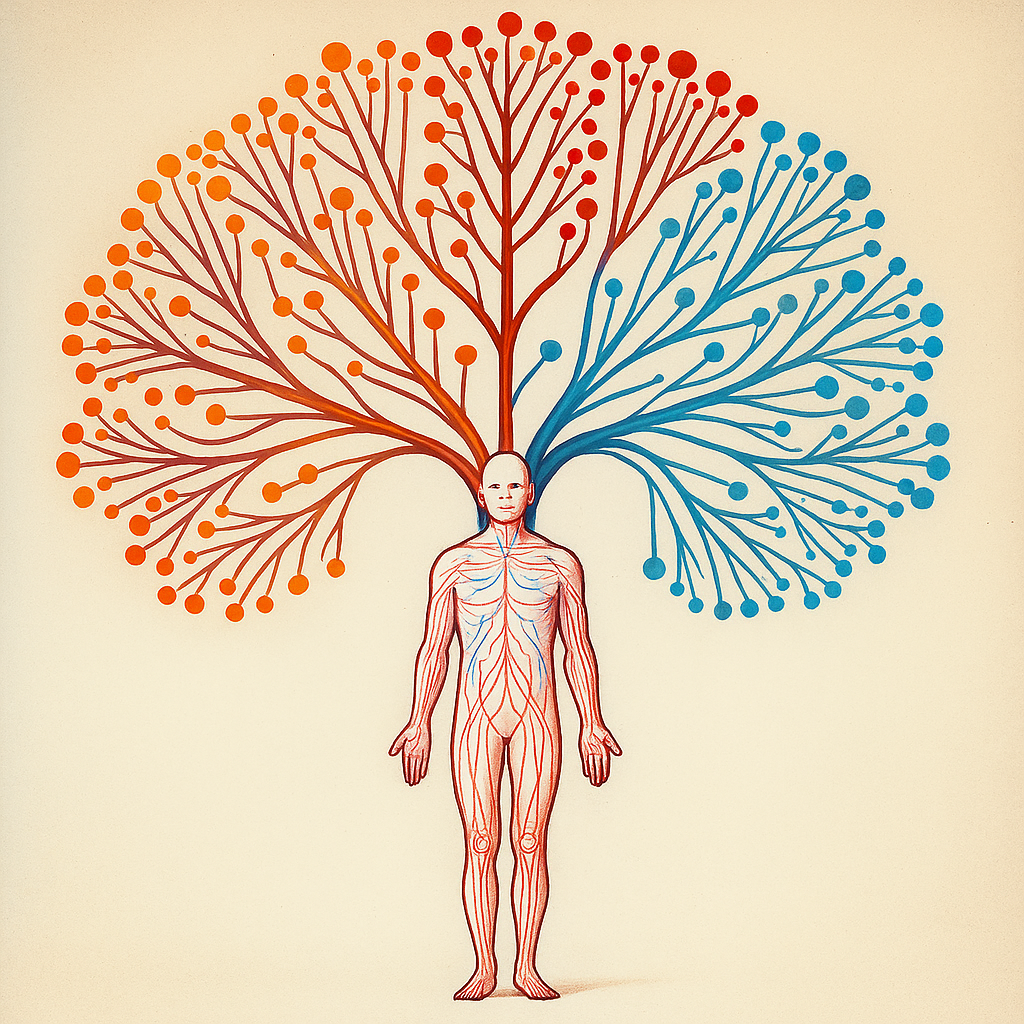
Heidelberg, Germany, July 8, 2025 – Heidelberg Epignostix GmbH, a deeptech start-up committed to precision cancer diagnostics today announces the successful launch of a substantial update to their sarcoma tumour classifier- marking a substantial milestone in establishing precision tumour classification beyond tumours of the central nervous system.
Combining epigenetics with artificial intelligence-powered bioinformatics, their software algorithms enable precise cancer classification of subtypes that are otherwise difficult or impossible to distinguish. The technology is based on patterns of chemical tags on tumor DNA called DNA methylation functioning as fingerprints, and has been applied to more than 180,000 patient samples to date.
The company is addressing precision tumour classification due to the high need for improved diagnostic accuracy. Methylation-based tumour classification is already recommended by WHO guidelines as a precision classification tool for brain tumours, enabling enhanced clinical care for cancer patients.
“Less than six months after having launched the brain classifier, we are excited to report availability of our second product. Thanks to an international effort among more than 104 leading institutions, we were able to advance the development” said Helge Lubenow, CEO. David Jones, co-founder and CSO adds: “We are creating a transformative portfolio for cancer diagnostics and plan to make classifiers for more tumour indications available at a rapid pace.”
“Sarcomas are malignant soft tissue and bone tumours that represent a morphologically heterogenous set of tumours. We did receive strong support from the international community to create consensus nomenclature and annotation and are able to robustly differentiate 120 sarcoma sub-classes”, says Andreas von Deimling, co-founder and Head of Neuropathology at the Heidelberg University Hospital.
Felix Sahm, co-founder and Head of Molecular Neuropathology at the Heidelberg University Hospital adds: ”Some entities lack defining histopathological features and therefore the diagnosis of sarcomas is currently still burdened with high inter-observer variability and misclassification rate.”
related posts
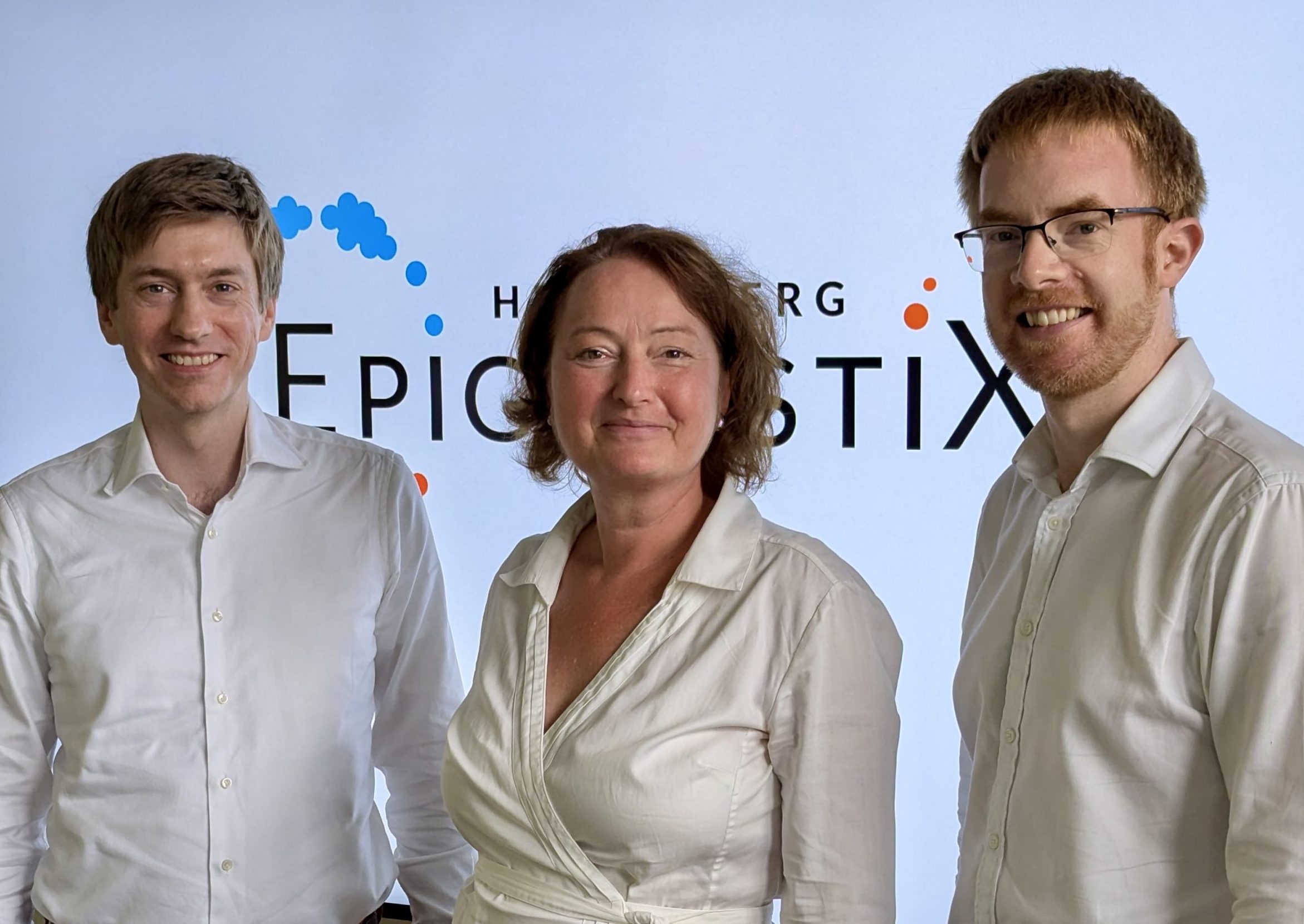
Prof. Dr. Dr. med. Felix Sahm joins as Chief Medical Advisor, guiding clinical and medical strategy as the company expands its precision diagnostics portfolio.

Helge Lubenow becomes Chief Executive Officer, succeeding founder David Jones, who continues with the company as Chief Scientific Officer.