
Team
The people behind the classifiers.
The Heidelberg Epignostix team brings together leading experts in the fields of genetics, pathology, medicine, data science, molecular biology, bioinformatics, artificial intelligence and business.

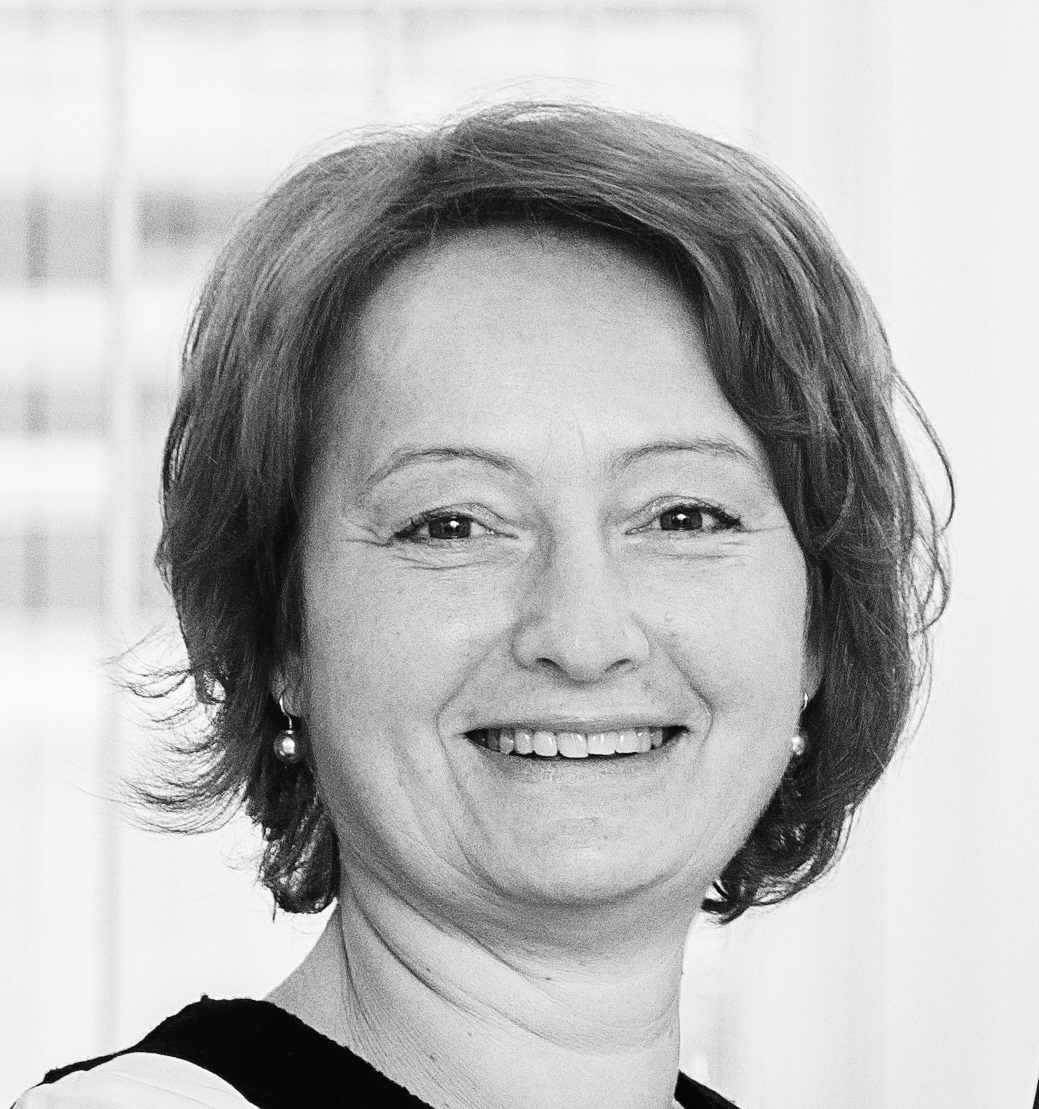
Helge Lubenow
Chief Executive Officer
Helge Lubenow
Dr. Helge Lubenow has been the CEO of Heidelberg Epignostix since June 2024.
She earned her doctoral degree in genetics from the University of Cologne and the Max-Planck-Institute. She joined Qiagen GmbH in 1997, where she held various roles, including head of the molecular diagnostics business (2011–2015). In 2016, she founded AGOS Consulting and later served as managing director of tesa Labtec GmbH (2018–2019) and CEO of Proteomedix AG (2020–2023), where she was previously a board member.
With extensive experience in molecular diagnostics and a broad global network, Dr. Lubenow has been a Supervisory Board member of Epigenomics AG since 2016 and was appointed chairwoman in 2023. She also serves on the Supervisory Boards of Biofrontera AG, Neracare GmbH, Human Gesellschaft für Biochemica und Diagnostica mbH, and Avelo AG.

David Jones
Chief Scientific Officer & Co-founder
David Jones
Professor David T. W. Jones is Head of the Division of Pediatric Glioma Research at the Hopp Children’s Cancer Center, Heidelberg (KiTZ) and Chief Scientific Officer at Heidelberg Epignostix GmbH.
Since completing his PhD on pediatric brain tumors in Cambridge (UK) in 2009, he has dedicated his scientific career to investigating the molecular underpinnings of childhood cancer, and how this knowledge can best be applied to help patients in the clinic. The application of ‘omics’ technologies paired with functional/pre-clinical characterization is a central theme of his work, where he has had several prominent authorships in high-impact journals (Nature, Nature Medicine, Nature Genetics, Cell), amongst a total of >350 peer-reviewed publications.
The research efforts of his division at the KiTZ are focused on (epi)genomic profiling of gliomas, accompanied by model development and pre-clinical testing. These research efforts have a strong translational focus, as indicated by his role as PI for the international INFORM and MNP2.0 personalized medicine studies.
As Translational Chair of the ITCC (Innovative Therapies for Children and young adults with Cancer) brain tumor group, David takes a keen interest in identifying and supporting clinical trial concepts that are underpinned by a strong molecular/pre-clinical rationale, in order to more rapidly bring effective treatments to children with cancer.

Felix Sahm
Chief Medical Advisor & Co-founder
Felix Sahm
Prof. Dr. Dr. Felix Sahm is Chair of the Department of Neuropathology at Heidelberg University Hospital. A board-certified neuropathologist and full professor at the University of Heidelberg, he co-leads the Molecular Diagnostics and Early Detection program within the German Consortium for Translational Cancer Research (DKTK).
With over 300 peer-reviewed publications, including senior and first-author work in Nature Medicine, Nature Cancer, JCO, and Lancet Oncology, Prof. Sahm is a leading expert in translational brain tumour research. His group has developed numerous clinically implemented biomarkers and assays, including DNA methylation-based tumor grading, next-generation sequencing, and novel AI-driven molecular diagnostics. His work has directly contributed to the creation of first-in-kind reimbursement frameworks and integration into WHO, NCCN, and ESMO guidelines.
Prof. Sahm earned his MD from Heidelberg University, PhD from the University of Kent (UK), and MBA in Biotech and Healthcare from IE Business School (Spain). He is a key contributor to national and international guidelines, serves on multiple scientific steering committees (EORTC, WHO, ITCC-Brain, cIMPACT), and advises health authorities and biotech companies on molecular diagnostics and clinical assay translation. As Chair of the Molecular Neuropathology Outreach Consortium, he also drives equitable access to diagnostics in LMICs.

Bhuwnesh Agrawal
Chair of Clinical advisory board
Bhuwnesh Agrawal
Dr. Bhuwnesh Agrawal is a medical doctor with board recognized specializations in the fields of internal medicine, clinical pharmacology and pharmacology and toxicology as well as an MBA.
After 15 years doing research, teaching and patient management at the Free University of Berlin, he worked for over 20 years at Boehringer Mannheim and Roche in various roles, viz. Pharma R&D, Diagnostics Strategy, Business Development, Marketing and Sales. His last role was as Chairman and Managing Director of Roche Diagnostics South Asia and Head of Applied Science for all of Asia. Several of his initiatives are now standard practices in medicine. He then co-founded a molecular diagnostics start-up Vela Diagnostics in Singapore which created the world’s first IVD accredited NGS tests for cancer and infectious diseases, which he exited a few years later. Subsequently, he took up the role of Head of Asia-Pacific, Africa and Latin America for a MedTech company, which he led for 5 years, before taking up the President and CEO role at Sysmex Inostics, a liquid biopsy company.
He now serves as mentor, advisor and board member for several companies and organisations and is a senior advisor to the German Health Alliance. He also teaches at 2 business schools. At Epignostix, Dr. Agrawal is the chair of our clinical advisory board.
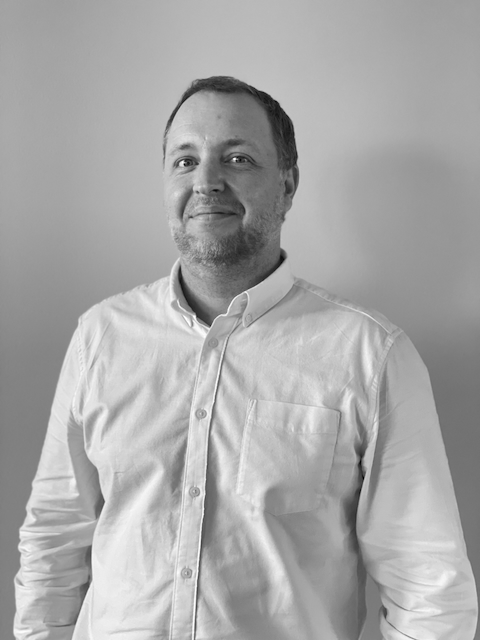
Martin Sill
Head of Data Science & Co-founder
Martin Sill
Dr. Martin Sill, our Head of Data Science, holds a PhD in Biostatistics from the German Cancer Research Center (DKFZ), Heidelberg.
As a scientist at the Paediatric Neurooncology department of the DKFZ and KiTZ, Martin played a key role in actively developing the widely used Molecular Neuropathology (MNP) classifiers. His extensive experience and ability to train new machine learning models for tumour classification plays a critical role in the development of our advanced in-vitro diagnostic (IVD) products.
With his leadership, our data science team is at the forefront of creating innovative, life-changing solutions.
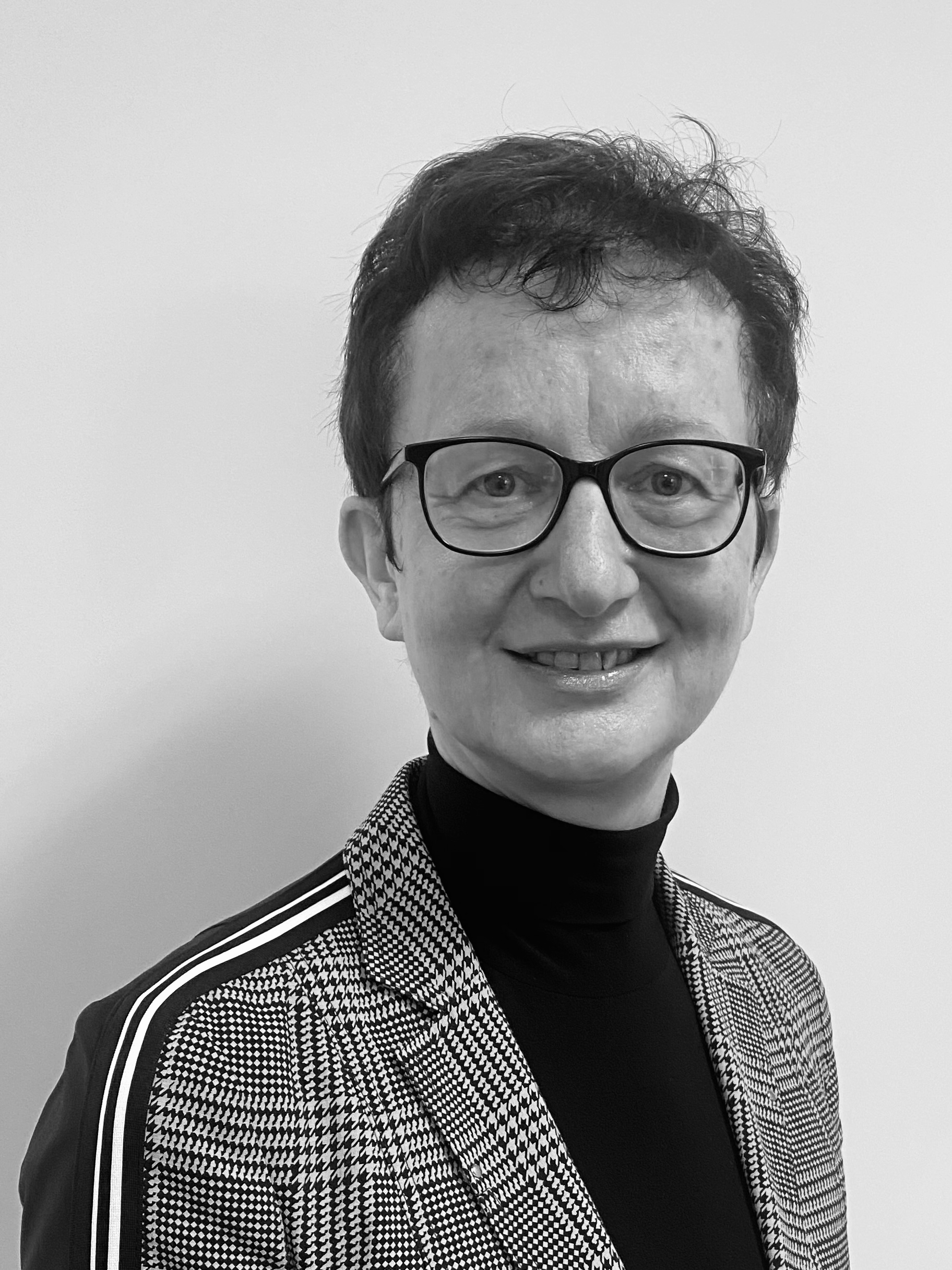
Heike Balzer
Head of Finance
Heike Balzer
Heike Balzer serves as Head of Finance in a part-time advisory capacity.
She is an experienced and forward-thinking finance expert with 25 years of leadership experience in the biotechnology industry. She brings extensive expertise in the financial management of a publicly listed company, supporting international financing and capital market access, corporate controlling and public funding. Her expertise is focused on delivering results in an innovative, high-performance environment and within interdisciplinary teams — from early-stage research and venture-backed clinical development through IPO preparation and complex organizational transformations.
Heike holds a PhD in Economics from Leipzig University and teaches Controlling at the University of Potsdam.
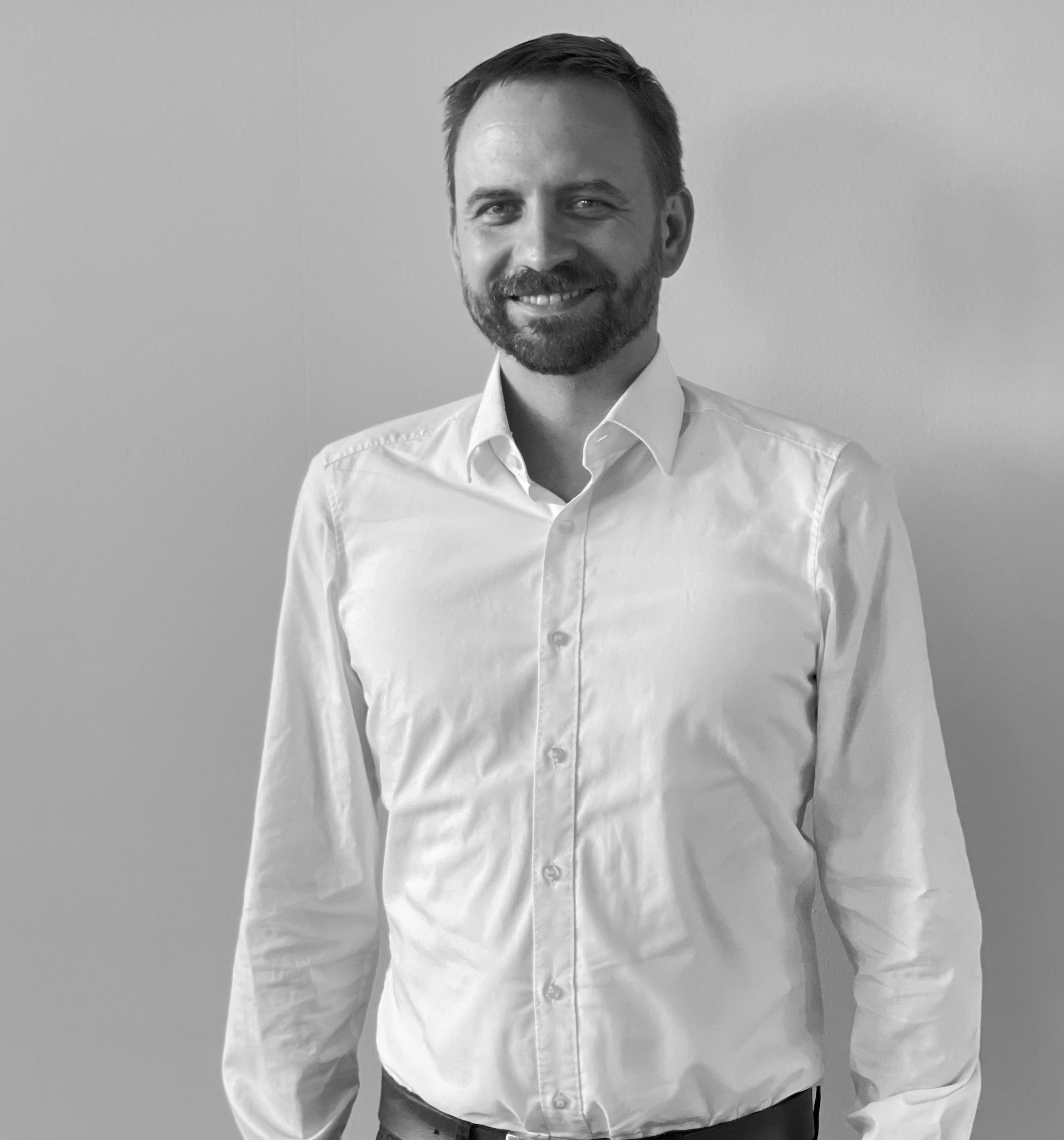
Daniel Schrimpf
Head of Software Development & Co-founder
Daniel Schrimpf
Dr. Daniel Schrimpf leads our software development team. He completed his PhD at the Biostatistics department of the German Cancer Research Center (DKFZ).
Following his PhD, Daniel worked as a bioinformatics scientist at the Neuropathology department of the University Hospital Heidelberg where he worked to build core infrastructure and molecular analysis workflows. This experience provided him with a solid foundation in software and database development. During his time there, he led the development of the web platform for the Molecular Neuropathology (MNP) classifiers and contributed to the development of the classifiers. He also led the data management and developed bioinformatic pipelines for various data types, including methylation and NGS.
At Epignostix, Daniel leverages his extensive experience to build robust software solutions and IT infrastructure that support the seamless integration of molecular diagnostics into clinical workflows. His expertise ensures that our platforms are scalable, secure, and optimized for high-throughput data processing.
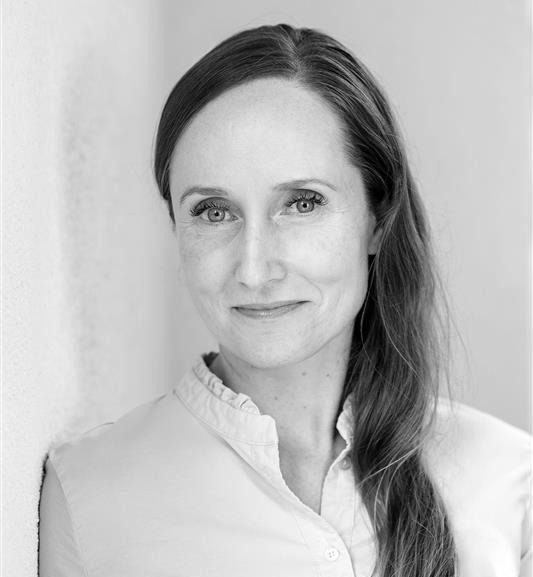
Natalie Jäger
Head of Research & Product Development
Natalie Jaeger
Dr. Natalie Jäger is our Head of Research and Product Development.
Natalie has extensive expertise in bioinformatics and cancer genomics, specifically in the computational analysis and interpretation of next-generation sequencing (NGS) data from tumour genomes for precision medicine. Prior to joining Epignostix, she was Head of the Clinical Bioinformatics group at the Hopp Children’s Cancer Center Heidelberg (KiTZ). She received her Ph.D. in Biosciences from Heidelberg University and the DKFZ.
Upholding stringent quality standards, she supports the team in revolutionising tumour diagnostics to deliver precise and swift solutions, enhancing patient care.

Areeba Patel
Head of Technology
Areeba Patel
Dr. Areeba Patel is Head of Technology at Heidelberg Epignostix, where she steers R&D programs that translate emerging molecular and AI methods into accessible cancer diagnostics.
An engineer by training, she earned a masters in Cancer Biology from Imperial College London in 2020. Areeba completed her PhD in computational neuropathology in Prof. Felix Sahm’s lab at the University Hospital Heidelberg / German Cancer Research Centre (DKFZ) in close collaboration with Prof. Moritz Gerstung at the Division of AI in Oncology. Areeba has previously worked at a precision oncology AI start-up in Cambridge, UK.
Her expertise lies in molecular pathology, bioinformatics and AI. Areeba’s work focuses on molecular diagnostics solutions using cutting-edge sequencing and computational histopathology techniques. Areeba has (co-)authored 15+ research articles in distinguished journals like Nature Medicine and is credited with the development and validation of accessible platforms for real-time, intraoperative methylation classification and comprehensive molecular characterisation of tumours.
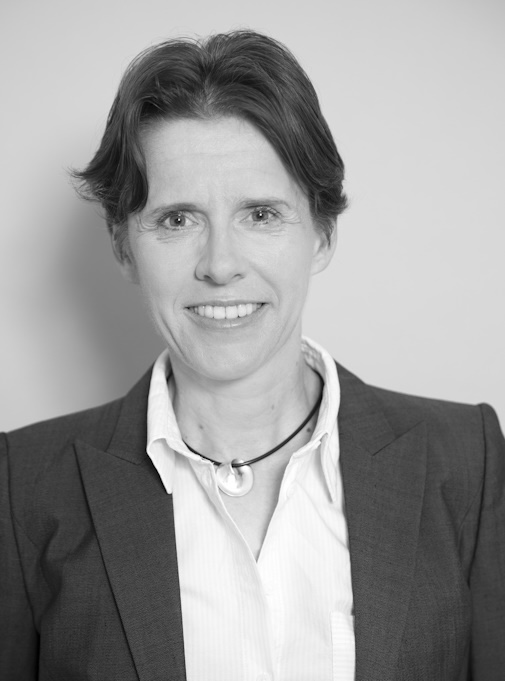
Sandra Barth
Head of Quality and Regulatory Affairs
Sandra Barth
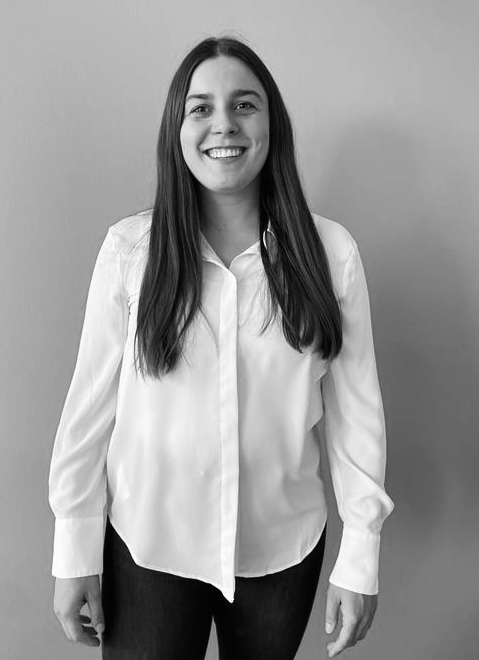
Annika Schlechter
Product Manager
Annika Schlechter
Annika Schlechter is our Product Manager.
She completed her MSc in physics at the Heidelberg University where she specialized in medical physics. During her academic journey, Annika completed both her bachelor’s and master’s theses at the German Cancer Research Center (DKFZ), gaining hands-on experience in cancer treatment.
With her strong analytical skills and a keen eye for detail, Annika efficiently manages our diverse portfolio of projects, ensuring smooth execution from start to finish.
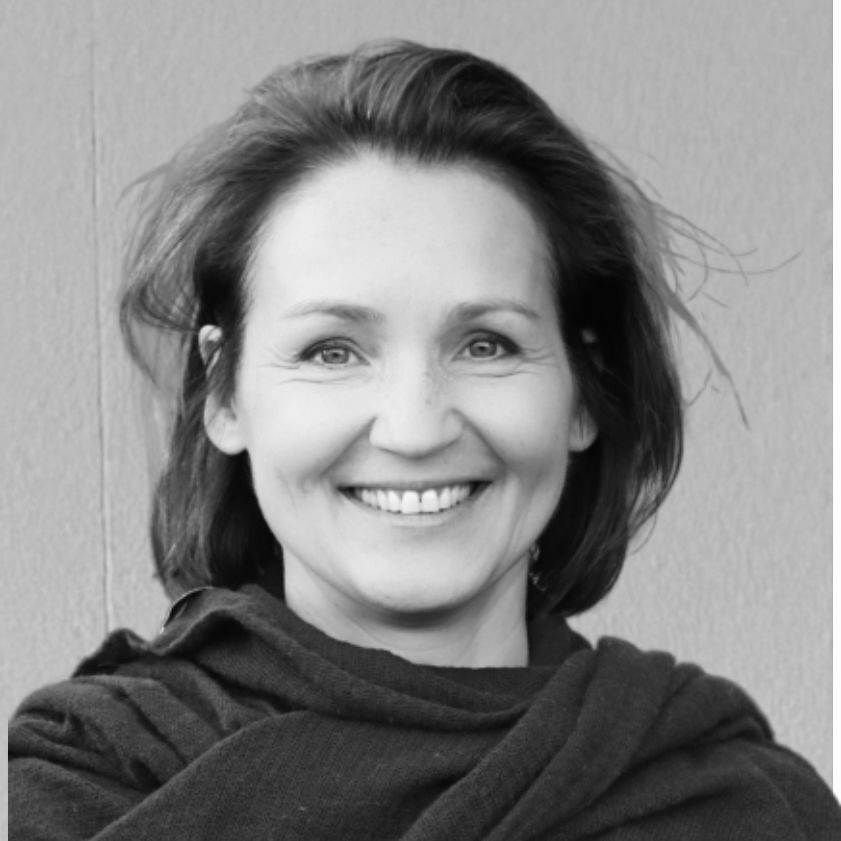
Anja Runge
Head of Customer
Anja Runge
Carrie Morano
Senior Clinical Consultant
Carrie Morano
Carrie Morano brings over two decades of molecular biology and biotechnology expertise to Heidelberg Epignostix. As Senior Clinical Consultant, she drives North American business development and customer support, bridging the gap between innovative diagnostic technologies and clinical oncological care.
Enrique Blanco Carmona
Bioinformatics Data Scientist
Enrique Blanco Carmona
Dr. Enrique Blanco Carmona works as a Bioinformatics Data Scientist at Heidelberg Epignostix, where he develops R software with a core focus on aesthetics and user experience. He holds a PhD in Bioinformatics from Heidelberg University and the German Cancer Research Center (DKFZ), specializing in single-cell multi-omics applied to pediatric and adult brain tumors.
His first-authored publications have revealed critical insights into tumor heterogeneity and cellular differentiation. Enrique is the creator of SCpubr, an open-source R package for generating high-quality single-cell transcriptomics visualizations, reflecting his commitment to accessible and reproducible science. He excels at transforming complex genomic data into publication-ready outputs that maximize both functionality and visual appeal.
Zaira Seferbekova
AI Bioinformatics Scientist
Zaira Seferbekova
Dr. Zaira Seferbekova is an AI Bioinformatics Scientist at Heidelberg Epignostix, where she orchestrates the standardisation and harmonisation of complex DNA methylation data to power downstream classification engines and predictive AI architectures. She completed her doctoral research at the German Cancer Research Center (DKFZ), where she advanced single-cell and spatial transcriptomics methodologies to study gliomas under the direction of Prof. Dr. Moritz Gerstung in the AI in Oncology division.
Dr. Seferbekova’s technical repertoire spans Python and the broader single-cell ecosystem (including AnnData framework). Bridging advanced mathematics, statistics, and computational biology, she excels at engineering rigorous, scalable workflows optimised for clinical discovery and high-impact diagnostic solutions.

Asif Ahmed
Cloud Engineer
Asif Ahmed
Asif Ahmed joined Epignostix team in March 2025, in the Cloud Engineer position. With around four years of experience in the software industry in Bangladesh, England, France and Germany, Asif worked on cross-platform mobile apps and PWA, computer vision, IoT with edge computing, cloud computing, process automation, recommendation AI, language models and generative AI solutions in production. He has research experience on IoT on Edge Computing, Recommendation AI, and System Dependability.
He graduated jointly from University of Lorraine, France; Maynooth University (National University of Ireland), Ireland and University of St Andrews, UK in 2022 on Advanced Systems Dependability (Computer Science) with Erasmus+ grant. He completed his bachelor’s degree on Computer Science and Engineering from United International University, Bangladesh. His preferred core competencies are Software Safety, System Design, Software Architecture and Engineering.

Matthias Klein
Project Manager
Matthias Klein
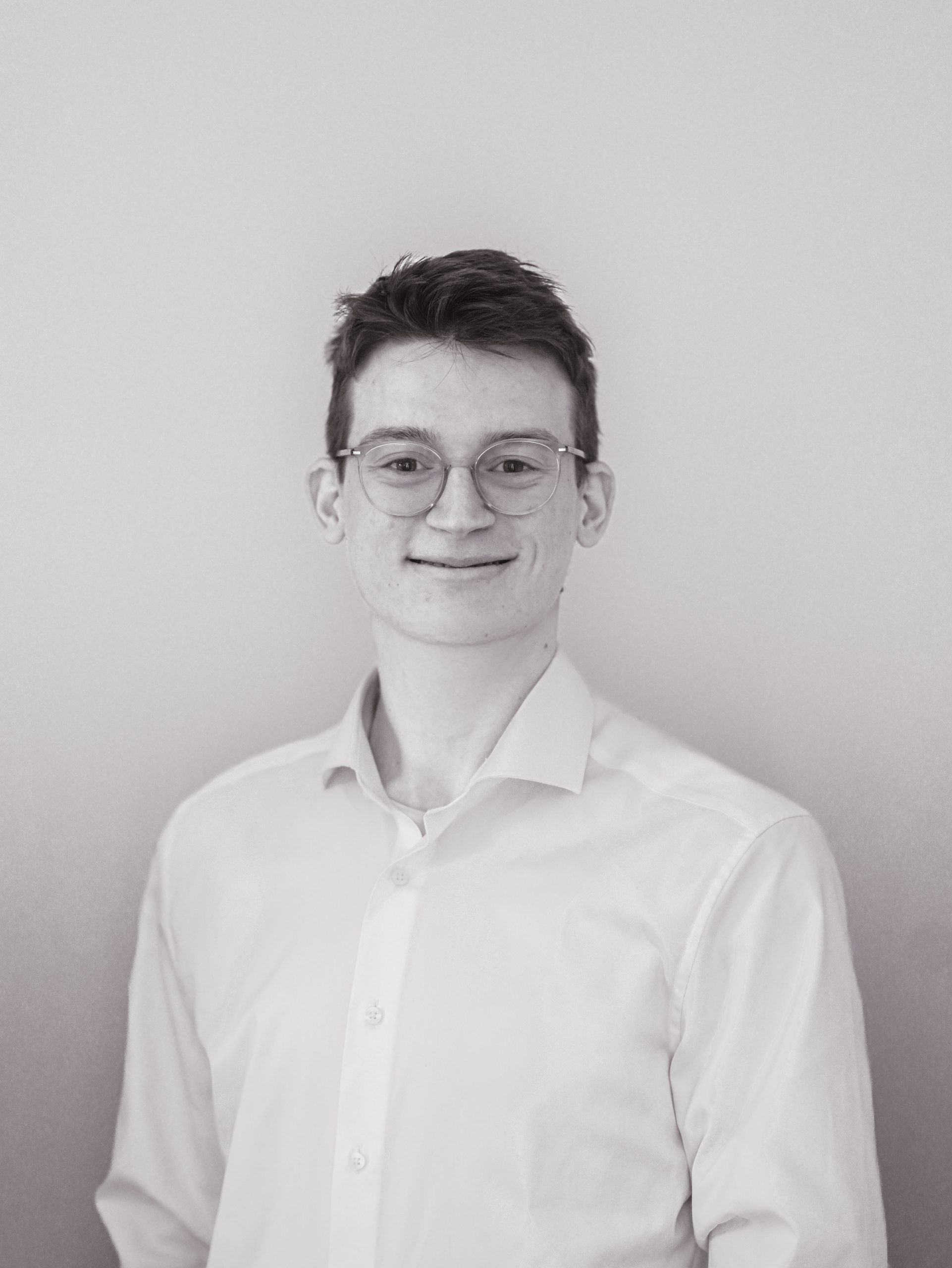
Lennard Herr
Support
Lennard Herr
Lennard Herr is an intern at Heidelberg Epignostix, where he helps out with support and costing. He is currently finishing his BSc in Molecular Biotechnology at Heidelberg University, with a thesis on single-cell and spatial transcriptomics in chronic hepatitis B (cHBV) and liver cancer.
Outside of work he’s a keen cyclist and enjoys building small data and software projects in his spare time.

Michaela-Kristina Keck
Lab manager
Michaela-Kristina Keck
Michaela is lab manager at Heidelberg Epignostix GmbH, where she is responsible for implementing and optimizing new wet-lab workflows and technologies to assess their suitability for integration into the company’s laboratory processes.
In parallel, Michaela is a postdoctoral researcher in the Division of Pediatric Glioma Research at the Hopp Children’s Cancer Center, Heidelberg (KiTZ), where she investigates the molecular and clinical characteristics of a rare tumor entity, with a focus on identifying potential therapeutic targets. She holds a doctoral degree (Dr. rer. nat.) from the University of Hohenheim, where she also studied Nutritional Science (Diplom, equivalent to an MSc). During her doctoral research, she spent four years at the University of Chicago in Dr. Tanguy Seiwert’s laboratory, working on the molecular classification and characterization of head and neck squamous cell carcinoma (HNSCC).
Co-founders

Stefan Pfister
Co-director of Hopp Children’s Cancer Center Heidelberg
Stefan Pfister
Prof. Dr. Stefan Pfister is one of our co-founders and serves as a Senior Advisor at Heidelberg Epignostix. He is a paediatric oncologist by training and co-developed and implemented DNA methylation-based tumour classification with his research team at the Hopp Children´s Cancer Center (KiTZ), German Cancer Research Center (DKFZ) and Heidelberg University Hospital. Stefan heavily contributes to our scientific team with his extensive experience as a physician scientist and is always eager to translate discoveries into applications that directly benefit patients.
Stefan completed his MD at Tübingen University and postdoctoral fellowships with Christopher Rudd at the Dana Farber Cancer Institute (Harvard Medical School) and Peter Lichter at the DKFZ. For his contributions to the field of translational neurooncology, he received the German Cancer Award in 2012. He became a member of the National Academy of Sciences Leopoldina in 2020. In 2023, he was awarded the Gottfried Wilhelm Leibniz-Preis which is the highest honour awarded in German research.
Currently, he serves as KiTZ Director for preclinical research, Division Head Paediatric Neurooncology at the DKFZ and Deputy Head of the Clinical Trial Unit Paediatric Oncology at Heidelberg University Hospital.
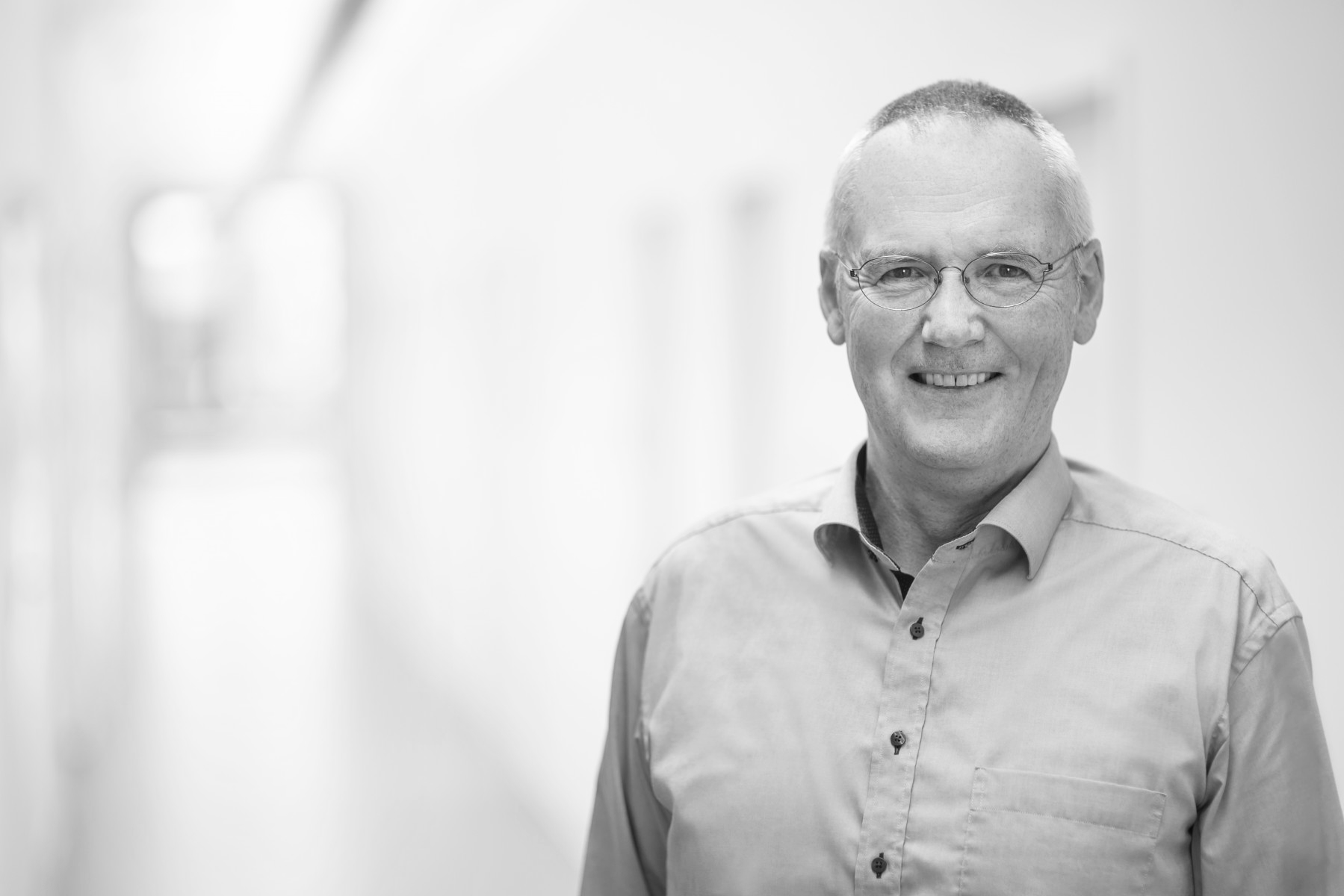
Andreas von Deimling
Professor of Neuropathology at University Hospital Heidelberg
Andreas von Deimling
Prof. Dr. Andreas von Deimling is an internationally recognized neuropathologist and molecular neuro-oncologist with over 170,000 citations and an H-index exceeding 180. Previously serving as Head of Neuropathology at Charité Universitätsmedizin Berlin, he retired as the Director of the Neuropathology department at Heidelberg University Hospital, and a Clinical Cooperation Unit at the German Cancer Research Center (DKFZ) in 2026.
His groundbreaking contributions include the discovery of chromosome 19q loss in gliomas, IDH1 mutations, and the development of diagnostic antibodies for IDH1 R132H and BRAF V600E mutations. He co-developed DNA methylation-based classifiers for brain and soft tissue tumours, which are widely accepted worldwide and are now considered the gold standard and incorporated into the WHO Classification of CNS Tumours (5th edition).
Trained in Neuropathology at Bonn, Prof. von Deimling completed his postdoctoral work in Neurogenetics at Harvard Medical School and Massachusetts General Hospital. He is a member of numerous prestigious societies including the Leopoldina and has received several accolades, including the German Cancer Award, in recognition of his continued groundbreaking contributions to translational science.
He has supervised over 40 MD and PhD theses and mentored more than 30 neuropathologists, many of whom now head major departments across Germany and abroad.
At present, Prof. von Deimling leads efforts to extend methylation-based diagnostics to epithelial tumours and is advancing mass spectrometry-based proteomic tools for routine clinical use.

David Capper
Professor of Molecular Neuropathology at Charité Berlin
David Capper
Prof. Dr. David Capper is a distinguished professor of Molecular Neuropathology. He studied medicine at the University of Tübingen in southern Germany.
Following positions in neuropathology in Tübingen and Zurich, he joined the research group of Andreas von Deimling in Heidelberg in 2008. In 2017, he was appointed to a professorship at Charité – Universitätsmedizin Berlin, Europe’s largest university hospital, where he also leads a research group at the Berlin partner site of the German Cancer Consortium (DKTK). Dr. Capper’s research is primarily dedicated to advancing the understanding of the pathology and genetics of central nervous system (CNS) tumors. He has played a key role in the development of mutation-specific antibodies such as those targeting IDH1 R132H and BRAF V600E, which are now widely used in diagnostic neuropathology. Additionally, he has pioneered the classification of brain tumors based on genome-wide DNA methylation profiling, a technique that has significantly influenced the diagnostic landscape in neuro-oncology.
Beyond his scientific contributions, Dr. Capper holds several important leadership roles. He has been responsible for central pathology oversight in numerous national and international clinical trials and registries, including his current involvement in the ongoing LOGGIC registry. He also serves as the spokesperson for the DKTK program “Molecular Diagnostics” and as vice-president of the International Society of Neuropathology (ISN). Moreover, he is a board member of the Neurooncology Working Group (NOA) of the German Cancer Society and an active member of cIMPACT, the Consortium to Inform Molecular and Practical Approaches to CNS Tumor Taxonomy.
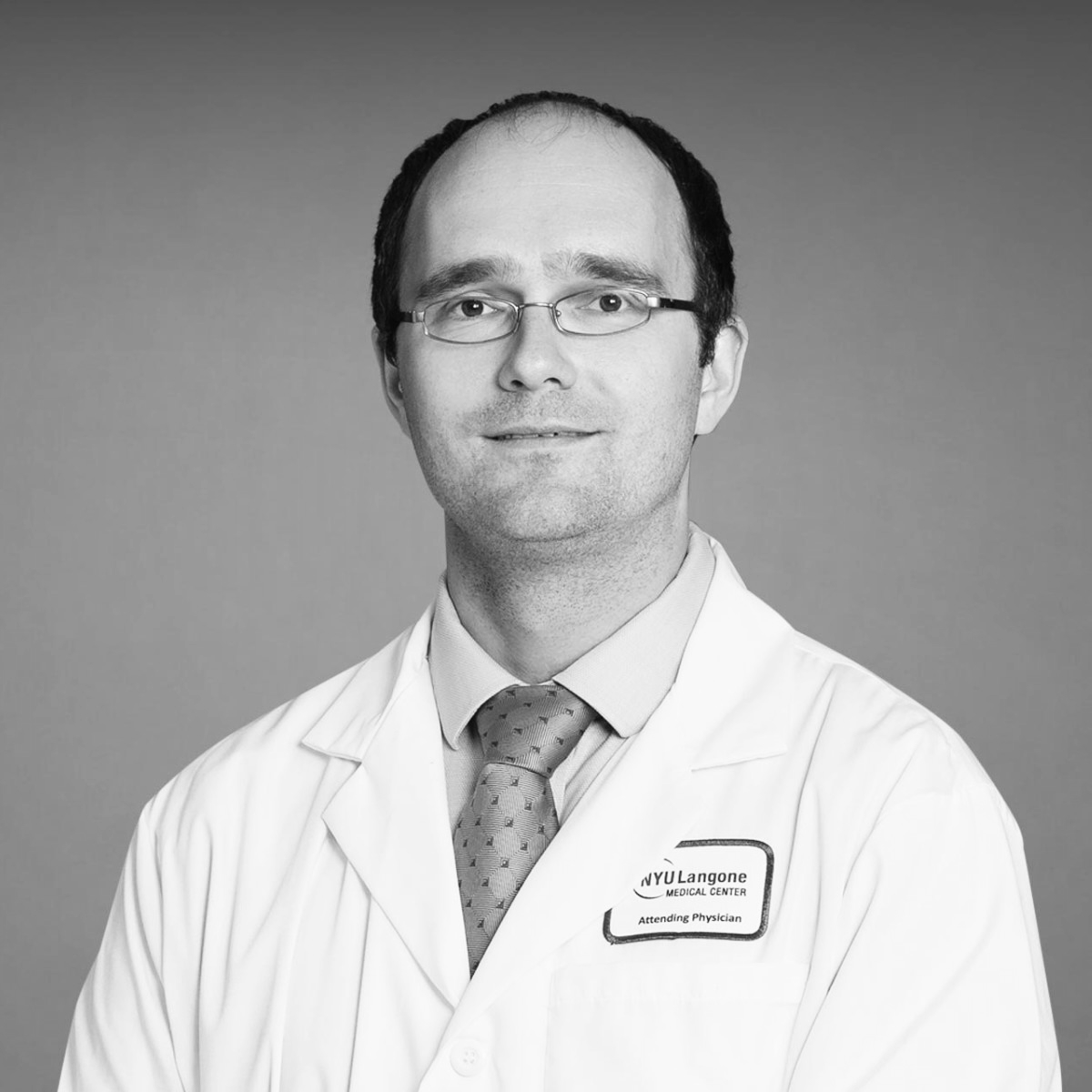
Matija Snuderl
Director of Molecular Pathology at NYU Langone Health
Matija Snuderl
Dr. Snuderl has strong interest in tumor genetics, epigenetics, heterogeneity and microenvironment. His clinical research focuses on identifying novel biomarkers for diagnosis and therapy and bringing novel molecular assays into the clinical space.
Dr. Snuderl’s team discovered several novel molecularly defined subtypes of brain tumours and contributed to the development of DNA methylation–based classification of brain tumours, an approach that uses machine learning and epigenetic signatures to more effectively diagnose brain tumours. NYU Pathology laboratory is the first in the United States to provide this test to people with brain tumours.